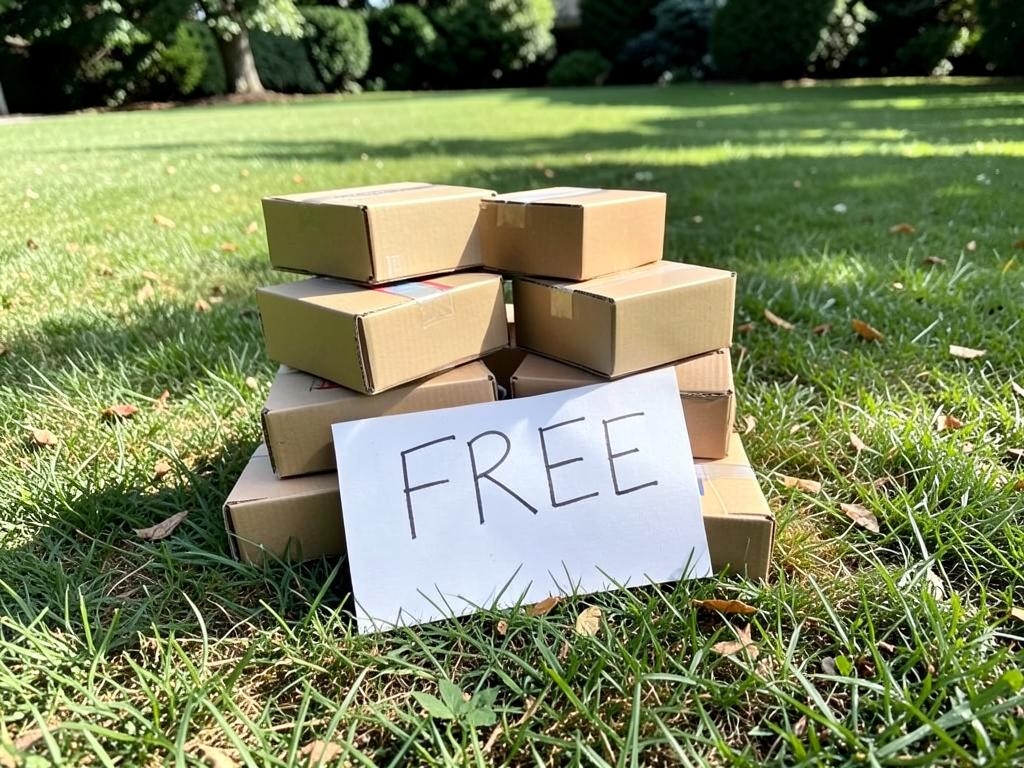
Demo listing
Free moving boxes
Good • Chicago, IL
Free
by @demo_walnut_row
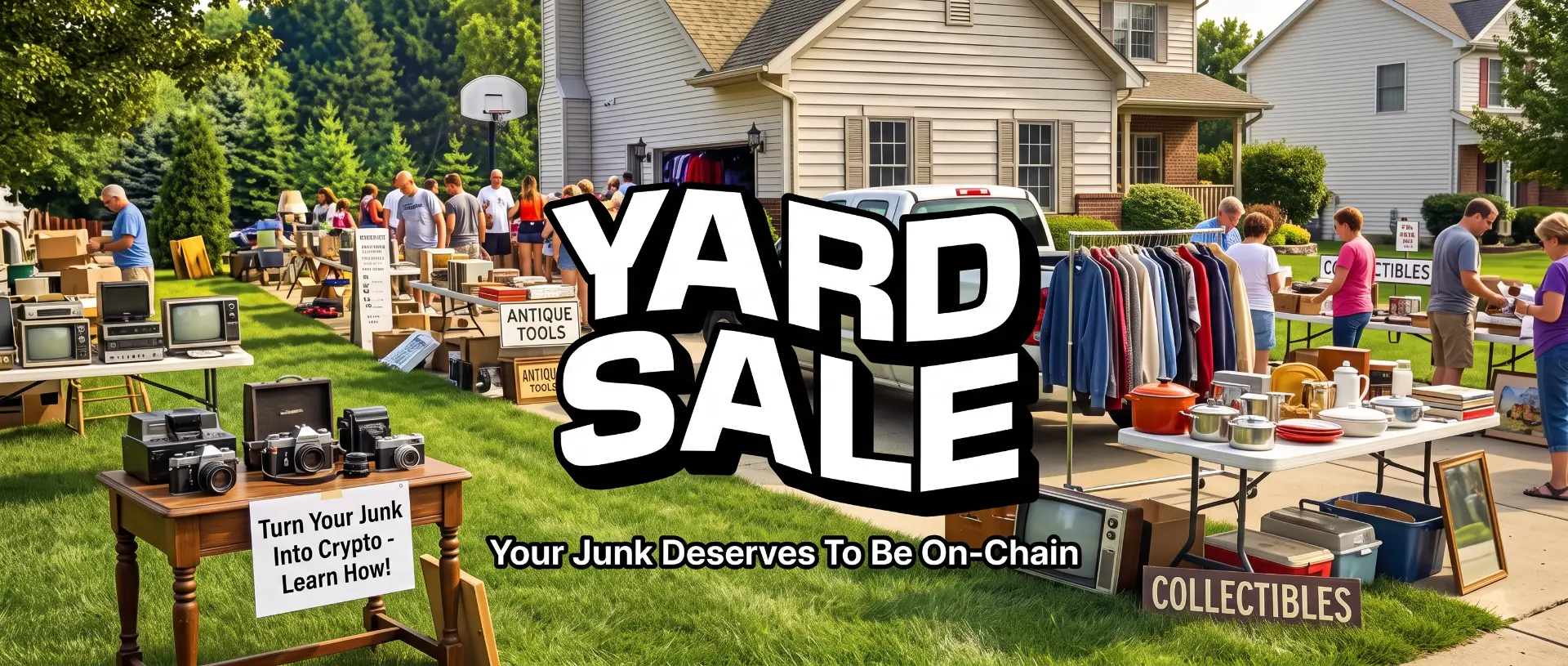
A neighbourhood marketplace for real second-hand things. List the lamp, meet the buyer on the driveway — and when you're ready, turn the listing into a real-world asset on-chain. Mint an Item Passport to prove what the thing is and where it's been, then pair it with a companion token and launch it through the Launchpad.
Unaudited beta. On-chain minting, tokens and escrow are switched off — see exactly what's configured.
Recently listed items from neighbours nearby.
Good • Chicago, IL
Free
by @demo_walnut_row
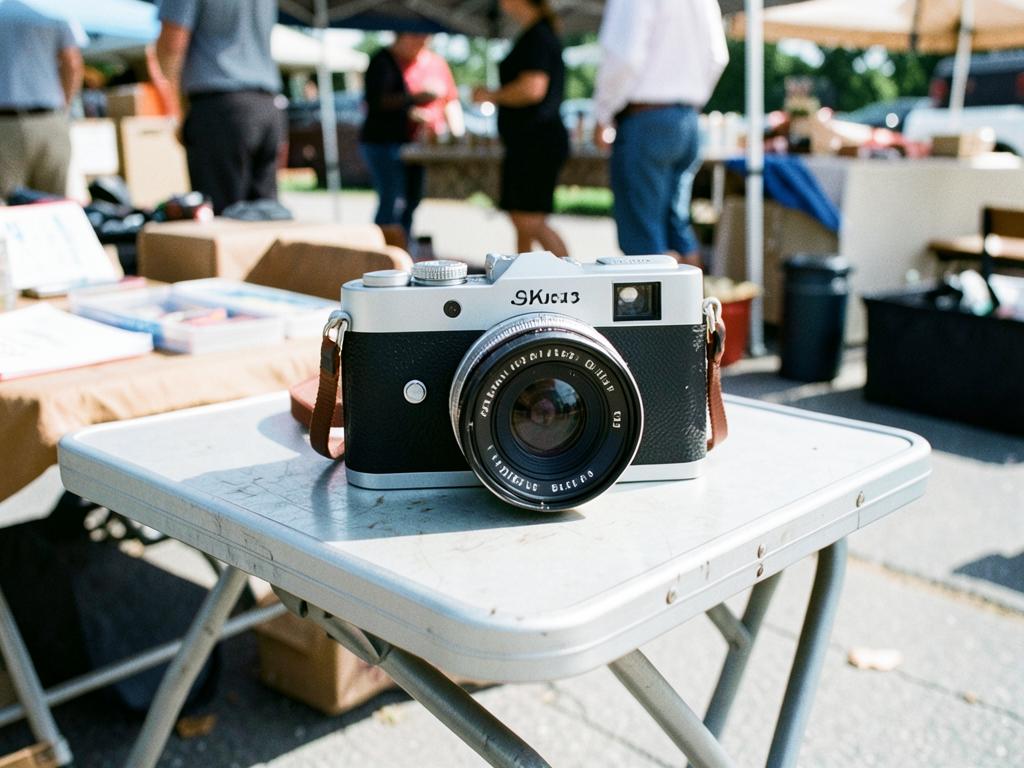
Good • Seattle, WA
0.035 ETH
≈ $112 (approx.)
by @demo_birch_way
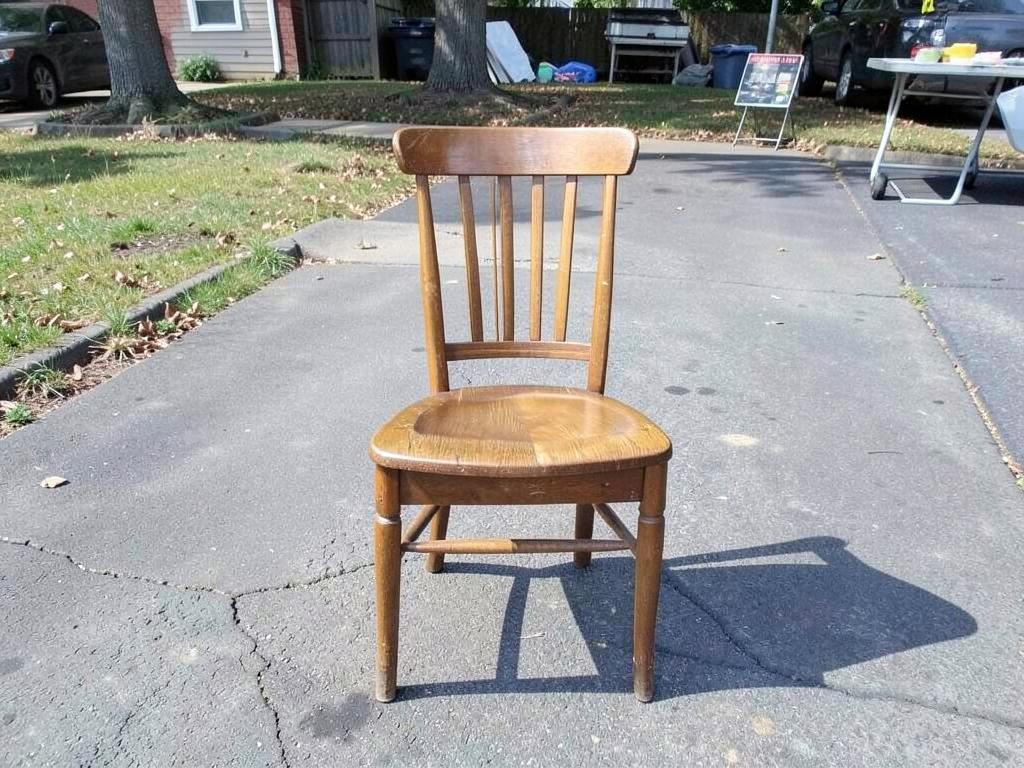
Fair • Chicago, IL
0.005 ETH
≈ $16 (approx.)
by @demo_walnut_row
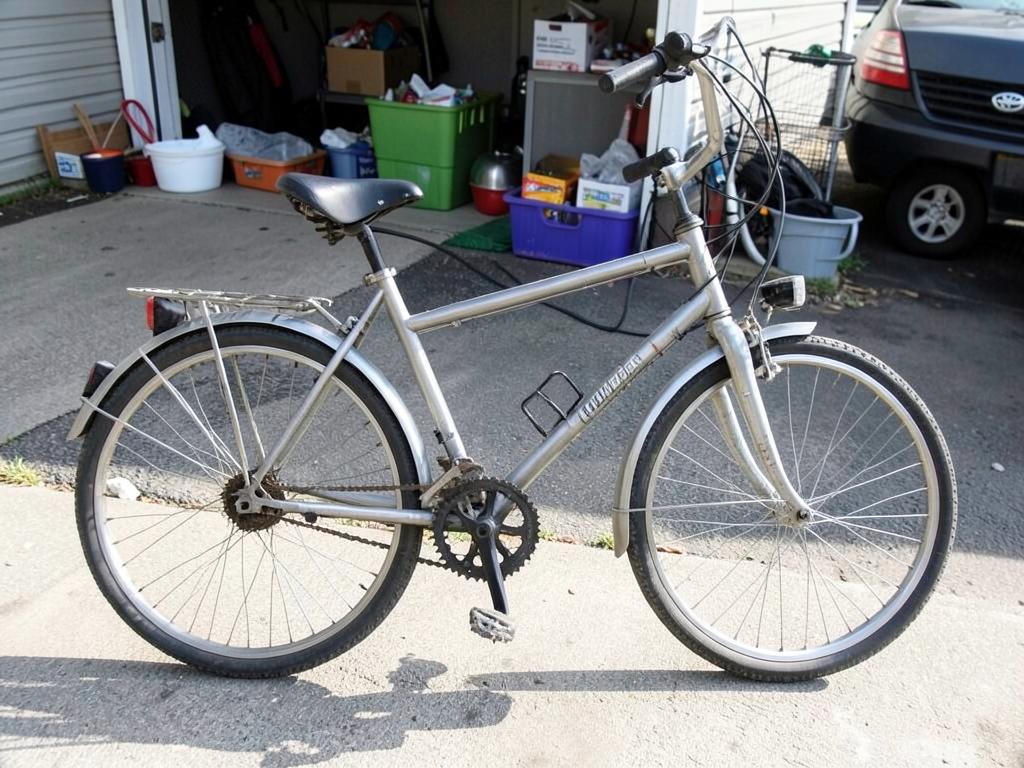
Good • Denver, CO
0.06 ETH
≈ $192 (approx.)
by @demo_cedar_court
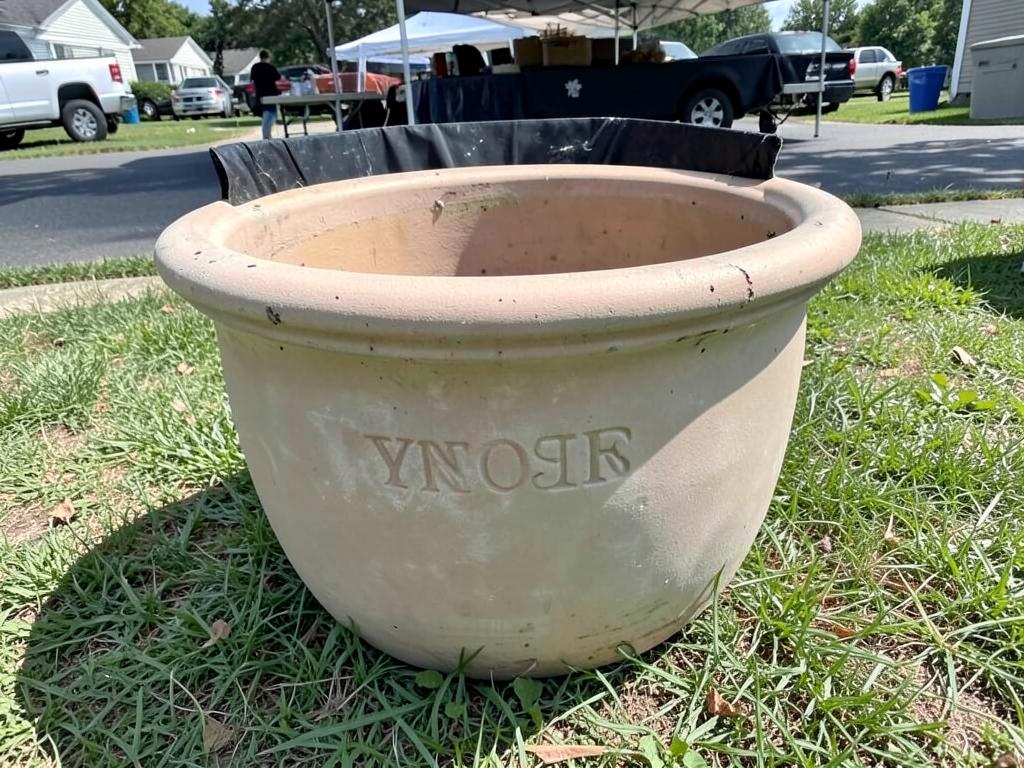
Like new • Seattle, WA
0.008 ETH
≈ $26 (approx.)
by @demo_birch_way
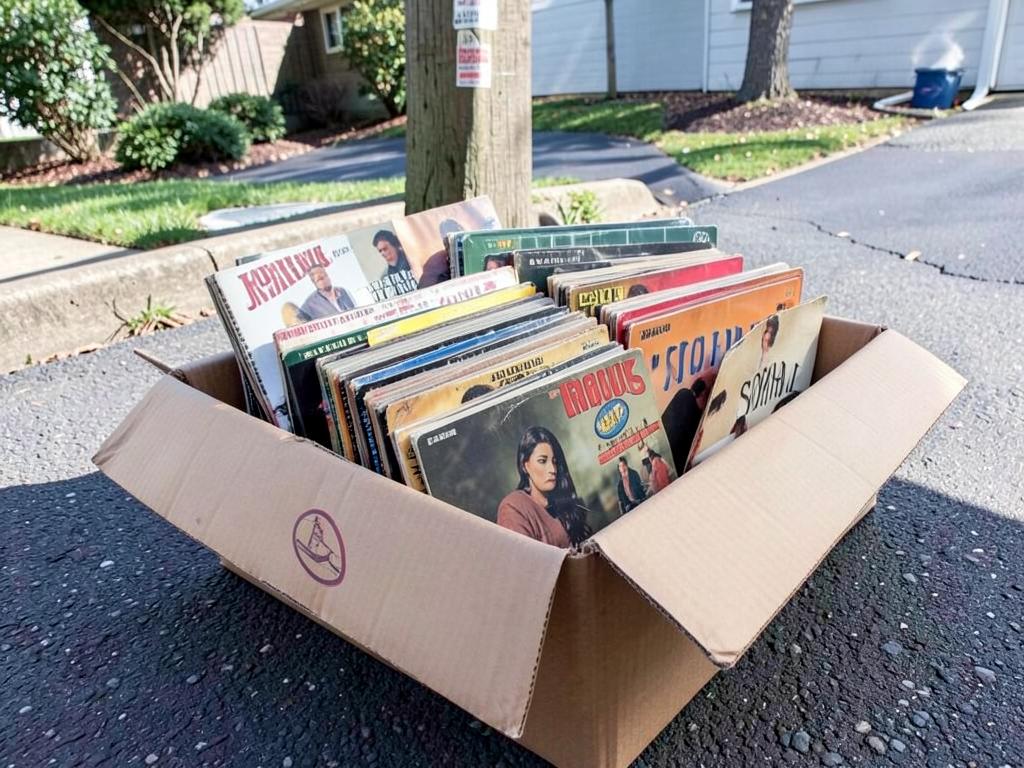
Fair • Austin, TX
0.02 ETH
≈ $64 (approx.)
by @demo_oak_lane
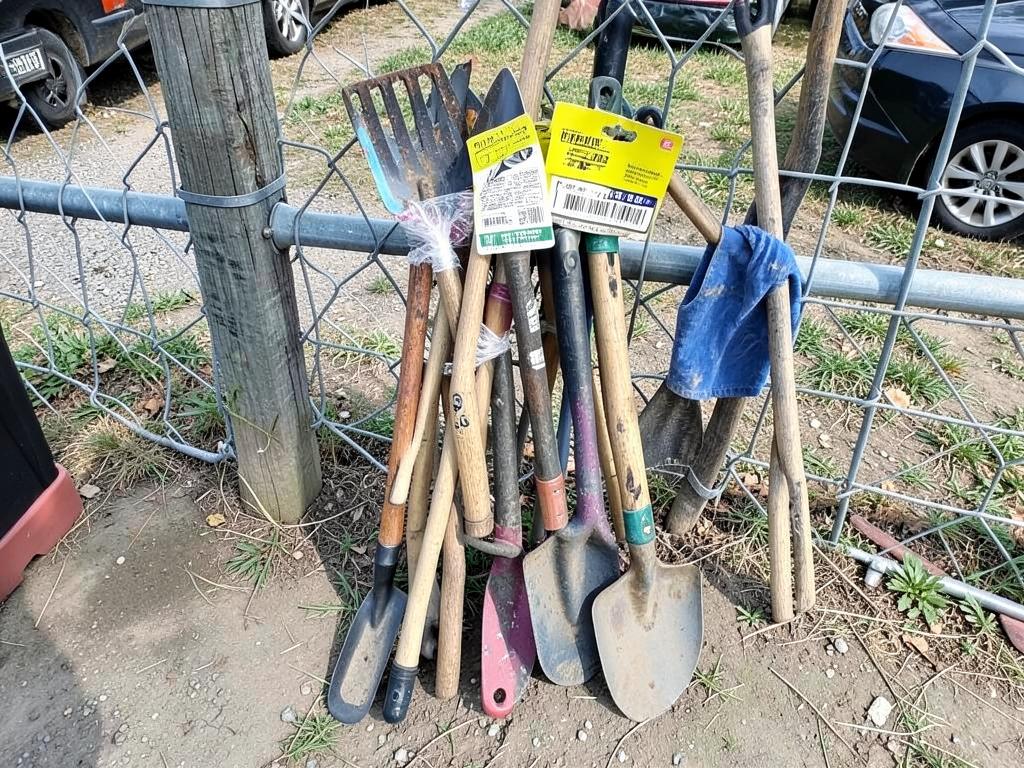
Good • Denver, CO
0.006 ETH
≈ $19 (approx.)
by @demo_cedar_court
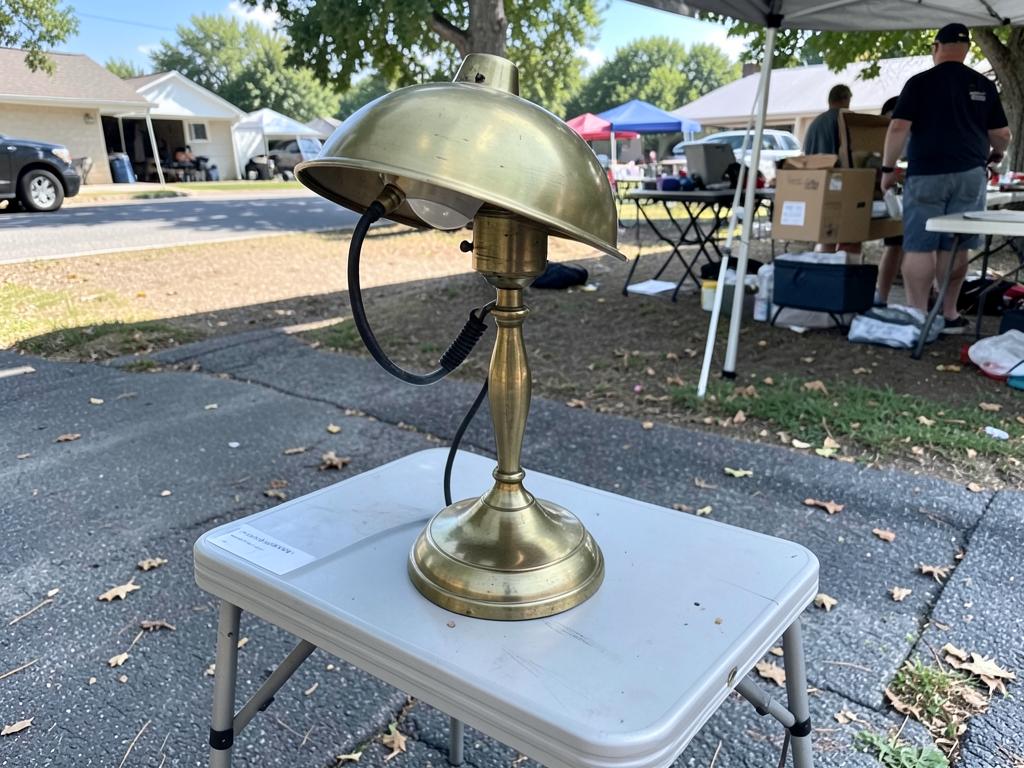
Like new • Portland, OR
0.009 ETH
≈ $29 (approx.)
by @demo_maple_street
Honest photos, honest condition. Scratches included — buyers trust the dent more than the adjective.
Price in ETH or give it away. Show only your general area; the exact address stays private.
Agree a public spot, inspect in person, hand it over. The item is real; so is the handshake.
An Item Passport records what the item was and when it moved. It never claims what it's worth.
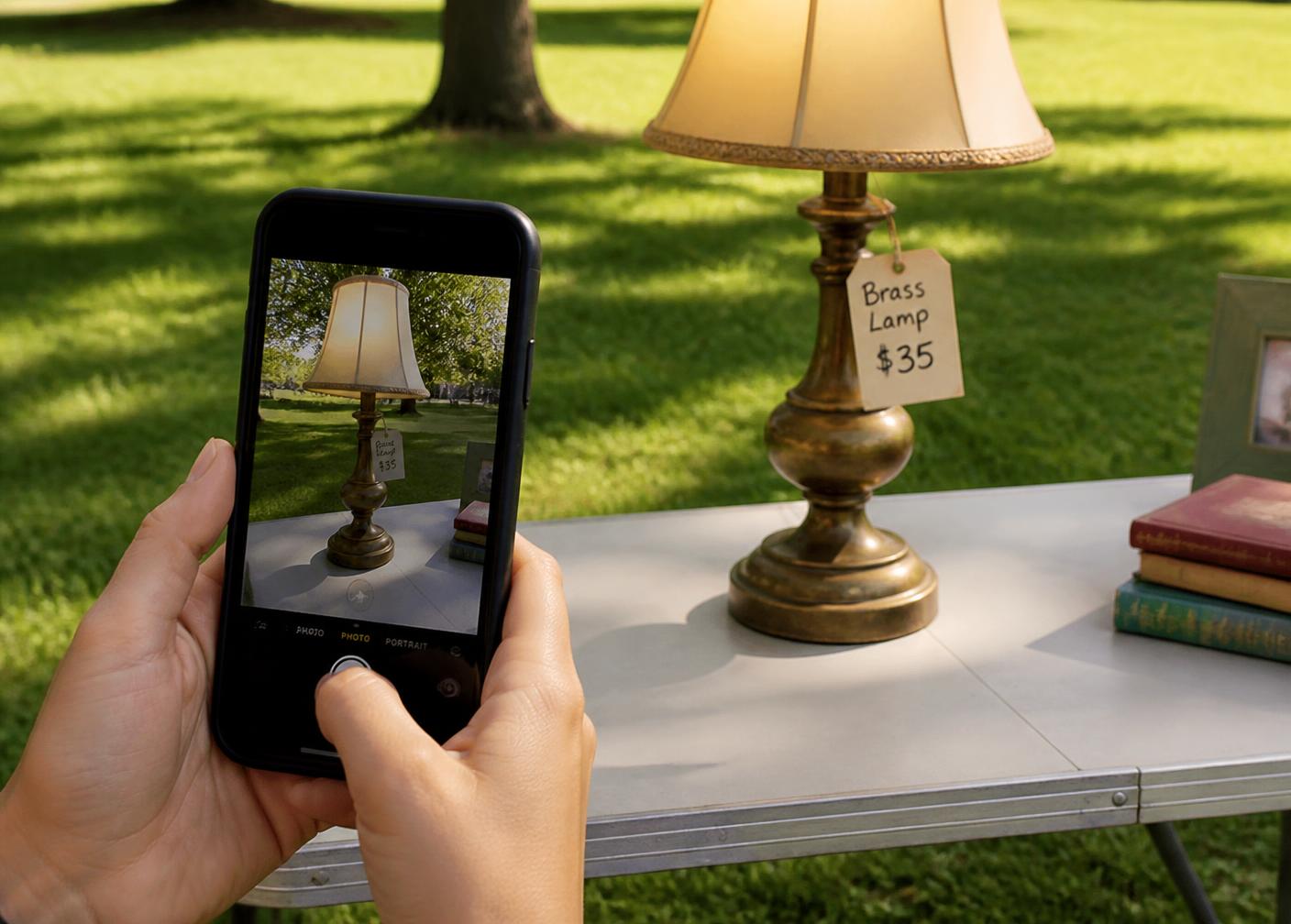
A listing starts as ordinary photos and a description. When you're ready, the Launchpad turns it into a real-world asset (RWA) on Robinhood Chain: it freezes the finalized details, mints an Item Passport to prove what the item is and who listed it, and optionally pairs a fixed-supply companion token you can launch.
The chain never stores the photos themselves. It stores fingerprints — hashes — that let anyone verify the on-chain record against the frozen file. Here's exactly where each piece lives.
Permanent, public, verifiable
Readable files, kept private to you
Minting and token launches stay switched off until the contracts are deployed and audited. See exactly what's configured before you rely on any of it.
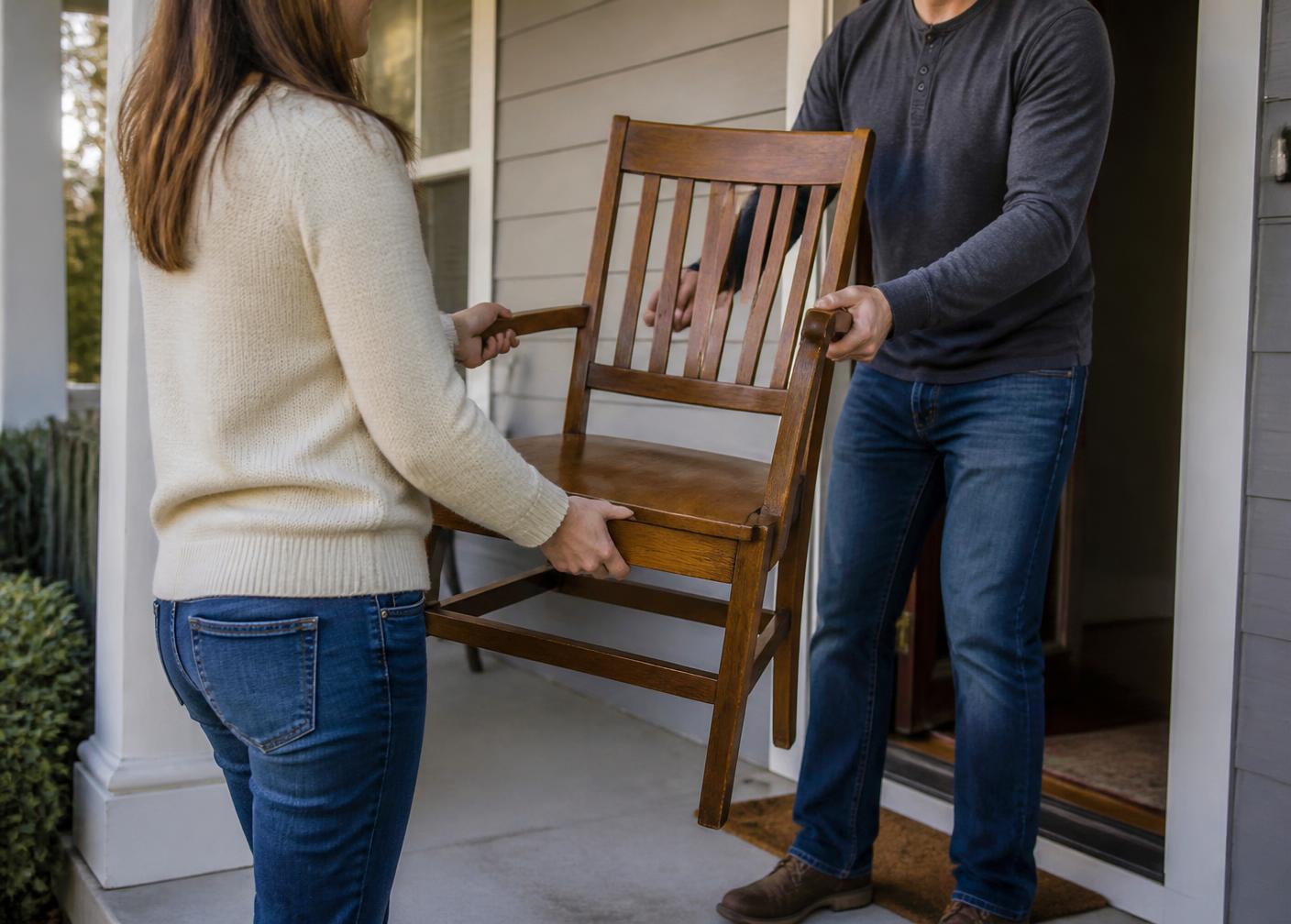
Furniture that needs a van, tools that outlived the project, records nobody plays anymore. It's all here.